#1 Fiber Cement Siding Built for Allen’s Hail Alley & Texas Heat
Licensed installation, repair & storm damage specialists serving Allen, TX and Collin County.
100+ ReviewS
Insured & Bonded
Storm Response 7 Days
Built for climate swings this city sees every year — violent spring hail one season, sustained 100°F+ heat the next.
If you are comparing siding materials for a home in Allen, the honest answer is that not every product is built for both extremes at once, and that gap is where a lot of siding failures in this area actually start. This page covers why our installation and repair work looks the way it does, what it costs, and what to check before hiring anyone — without the sales-page fluff.
Who Is the Best Fiber Cement Siding Contractor in Allen, TX?
The best contractor in Allen, TX is insured, follows James Hardie published installation specifications exactly (correct clearances, blind-nailing, flashed butt joints instead of caulked ones), documents storm damage the way insurance adjusters expect it documented, and will tell you honestly when a repair is enough instead of upselling a full re-side. We are the crew Allen homeowners call after hail season when a bigger-name contractor quoted a full re-side for what turned out to be 14 damaged boards.
Finding a trustworthy siding contractor in Allen means checking three things: real insurance and bonding (ask to see the certificate), a written itemized estimate before work starts, and a willingness to do a repair-only job instead of insisting on a full re-side. Contractors chasing the biggest possible invoice have no incentive to tell you a repair would work.
Why Allen Siding Fails Differently Than Anywhere Else in Texas
Every project we quote starts with the same walkthrough: checking which of these three pressures has already affected the home, and which ones the new or repaired siding needs to withstand for the next 30-plus years. Homes that skip this step tend to redo the work within a decade.
Hail Alley — March Through August
Allen has logged 78 hail reports within 10 miles over the past three years, including 3-inch hail across the DFW metro in June 2025 and 3.5-inch hail regionally in March 2026. Fiber cement resists impact far better than vinyl, but large hail can still crack panels.
Extreme, Lengthening Summer Heat
DFW summers regularly top 96°F with multiple 100°F+ days every year. Vinyl can visibly warp past ~140°F surface temperature; fiber cement stays dimensionally stable through the same exposure.
Aging Housing Stock & Active HOAs
Allen’s median home was built around 2003 — old enough that original siding is due for inspection. Most master-planned communities also require separate HOA architectural approval before work begins.
Full-Service Fiber Cement Siding for Allen Homes
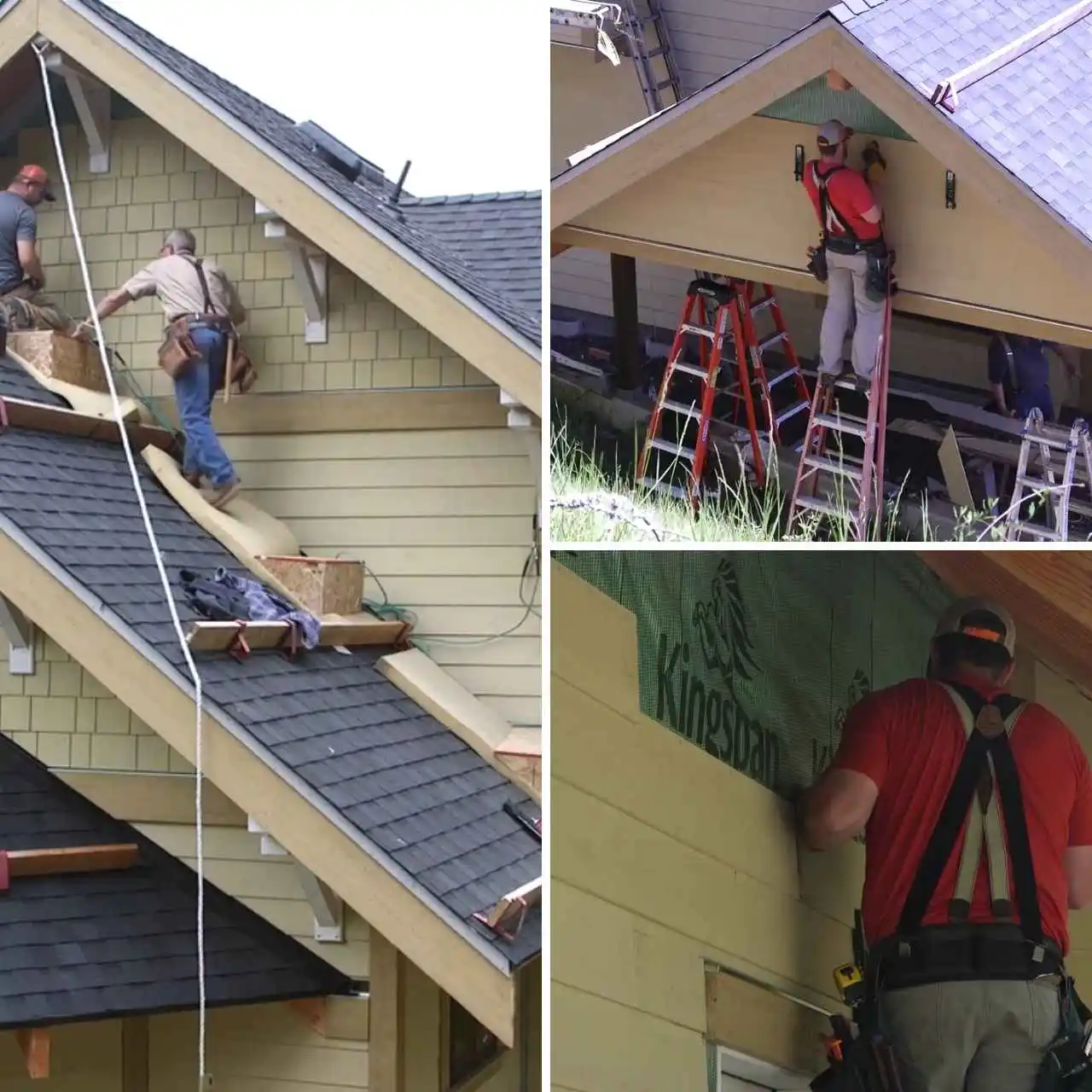
From storm repair to full installation — manufacturer-spec work, every time. Whether you need new-construction installation coordinated around a builders schedule, or a single-afternoon repair after a storm, each service below is priced and scoped on its own rather than bundled into a one-size-fits-all package.
Siding Installation
Full exterior installation on new builds and complete re-sides, to manufacturer clearance and fastening spec.
Learn more →Siding Replacement
Complete removal of old siding, inspection of the wall assembly underneath, full replacement.
Learn more →Siding Repair
Targeted board or section repair where the structure is sound — no full re-side pushed unless needed.
Learn more →Storm & Hail Damage Repair
Post-storm inspection, insurance-ready documentation, and repair of impact-damaged panels.
Learn more →James Hardie Installation
HardiePlank, HardiePanel & HardieTrim in the correct Southern (HZ10) regional formulation.
Learn more →Painting & Refinishing
100% acrylic latex repainting — the only finish James Hardie recommends for this material.
Learn more →New Construction Siding
Direct coordination with builders and GCs on new-build homes, scheduled around framing and window installation.
How Much Does Fiber Cement Siding Cost in Allen, TX?
Nationally, installation averages roughly $14,900, with most homeowners paying between $6,600 and $23,200 depending on home size and scope — per square foot, expect $7 to $18 installed (materials plus labor). A comparable Texas market (Cedar Park, near Austin) shows a typical range of $8,000–$16,300 for a full project. Repairs are priced per board or per section and run far below full re-side cost. Because trim detail, current siding condition, and site access all move the number, an accurate quote requires an on-site inspection rather than a phone estimate.
Is Fiber Cement Siding Worth It in Allen, TX?
For most Allen homeowners, yes — and the reasoning is specific to this market. Allen median home values sit well above the national average, and buyers in this price range generally expect exterior materials that match the rest of the home build quality.
Lifespan
30–50 years for fiber cement, correctly installed, vs. 20–40 years for vinyl.
Storm & Heat Resistance
One reason Allen, TX homeowners pick this material most often for storm-facing walls holds up to hail, UV exposure, and humidity far better than vinyl.
The tradeoff: fiber cement runs $7–$18 per square foot installed, higher than vinyl upfront. But vinyl is usually the first material to visibly fail in a bad hailstorm, and can warp or pull away from the wall in extreme heat — in this climate, fiber cement is generally the more defensible long-term investment.
What Is Your Allen Siding Telling You?
Not sure what you are looking at? Here is what each sign usually means for Allen, TX homes — and roughly how urgently it should be looked at.
| Symptom | What It Likely Means | Urgency |
|---|---|---|
| Circular cracking on one side of the house | Hail impact on the storm-facing wall | This Week |
| Straight-line cracking along nail rows | Installation error — often face-nailing | Get Inspected |
| Boards that flex or rattle | Fastener failure — missed studs | This Month |
| Gaps at butt joints or corners | Missing expansion clearance, caulk failure | This Month |
| Blotchy, uneven fading | Repaint issue, not a material defect | Cosmetic |
| Soft spots or musty smell near the base | Possible moisture intrusion behind siding | This Week |
| Nail heads visibly exposed on board faces | Face-nailing error — a known cause of cracking within 7–8 years | Get Inspected |
| Boards pulling away from the wall at the bottom | Clearance or fastening failure, especially near grade or a roofline | This Week |
Why Is My Siding Cracking, Gapping, or Fading?
Most siding companies only talk about installation. Here is what we actually get called out for.
Why Is My Siding Cracking?
Cracking traces to one of four causes: nails driven too deep, face-nailing where blind-nailing was specified, a missing expansion gap at butt joints, or framing that was not straight before installation. Hail cracks look different — localized, roughly circular, concentrated on the storm-facing wall — while installation cracking runs in straight lines along nail rows across multiple boards.
Why Do I Have Gaps or Loose Boards?
Gaps usually mean the siding was not left room to expand and contract, or aged caulking at a butt joint needs attention — done correctly, that joint uses concealed flashing, not exposed caulk. Loose boards are almost always a nailing issue: missed studs or fasteners pulled loose by wind uplift.
Is Fiber Cement Safe to Cut and Repair?
The cured board on your wall is completely inert. The safety consideration is entirely at the cutting stage — fiber cement dust contains crystalline silica, and cutting without dust control (wet-cutting, shears, or a HEPA saw) creates a real respiratory hazard for whoever is doing the cutting.
Does It Fade Over Time?
Factory-finished siding (James Hardie ColorPlus Technology) resists fading better than field-painted siding, but nothing exposed to Texas sun for 15+ years stays perfectly true to color. Even, gradual fading is normal — blotchy or patchy fading is usually a sign of a bad repaint job, not a material defect.
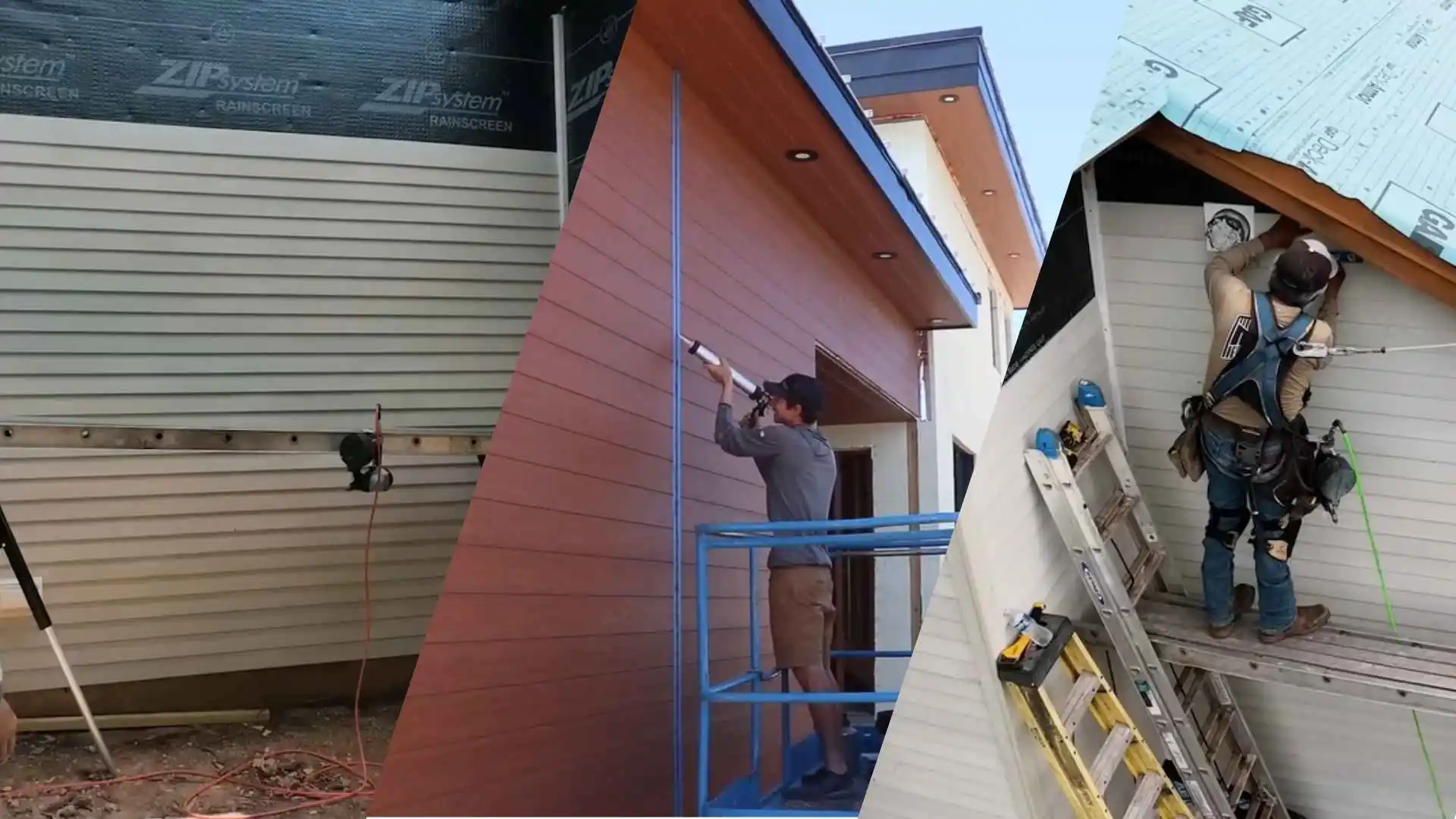
Real Fiber Cement Siding Projects in Allen, TX
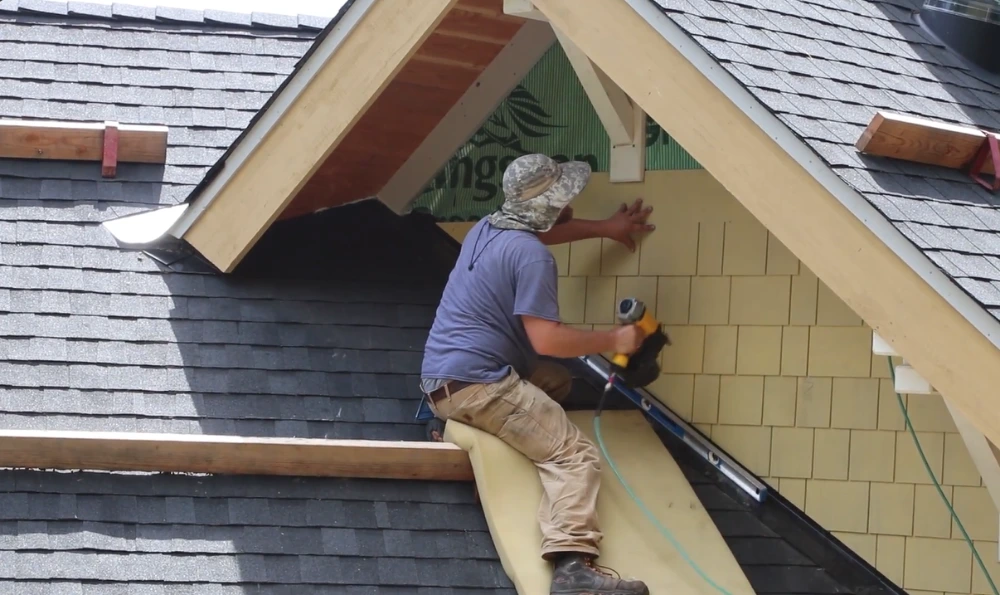
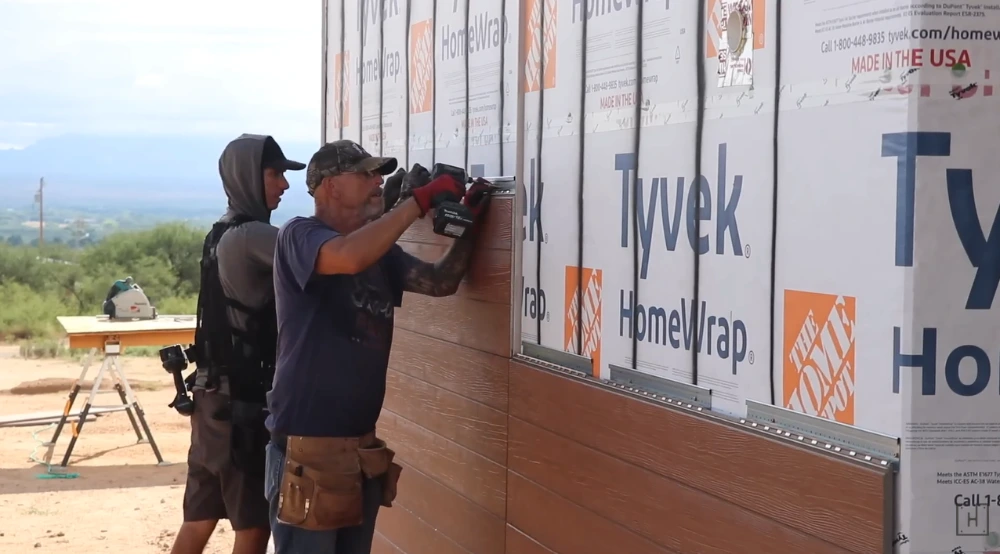
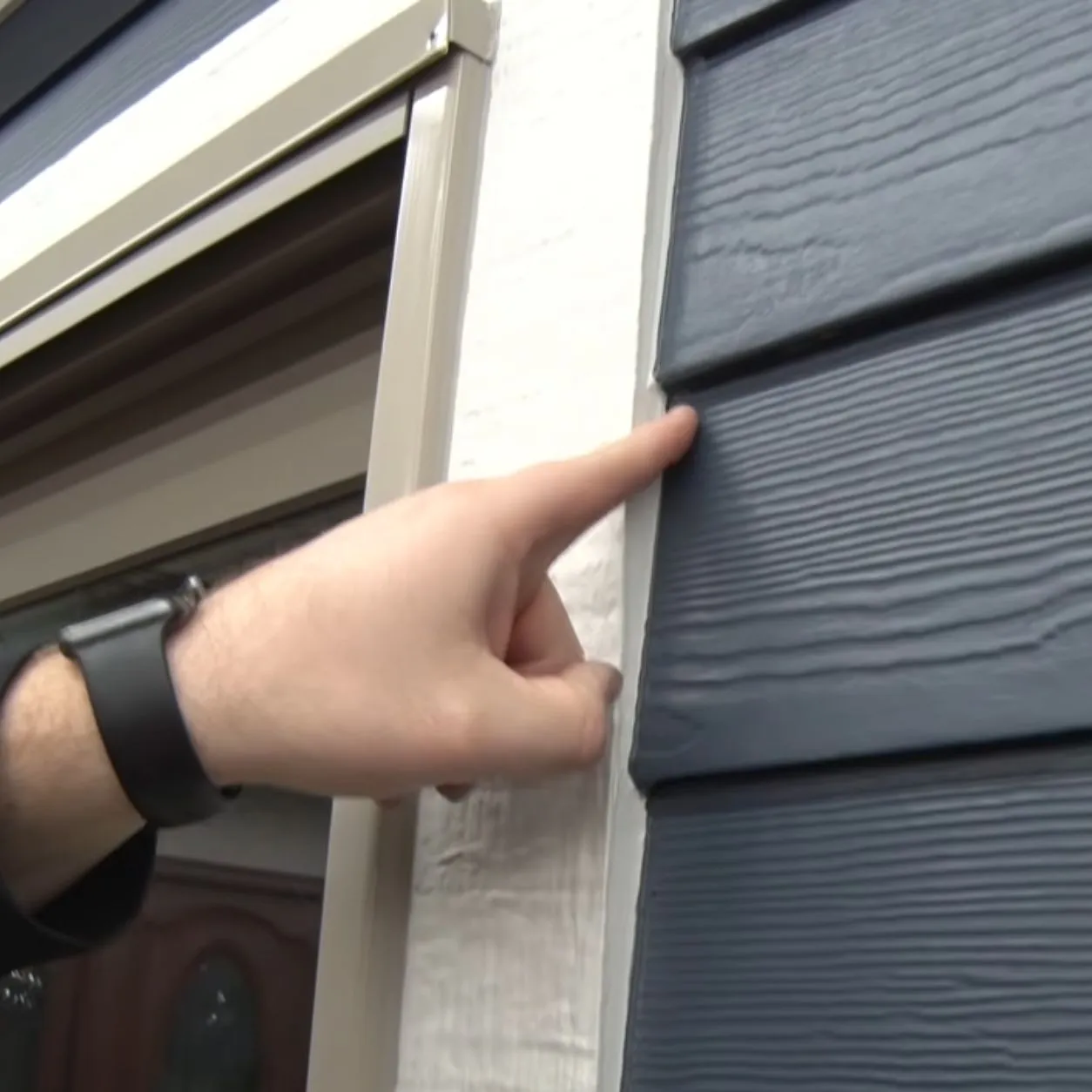
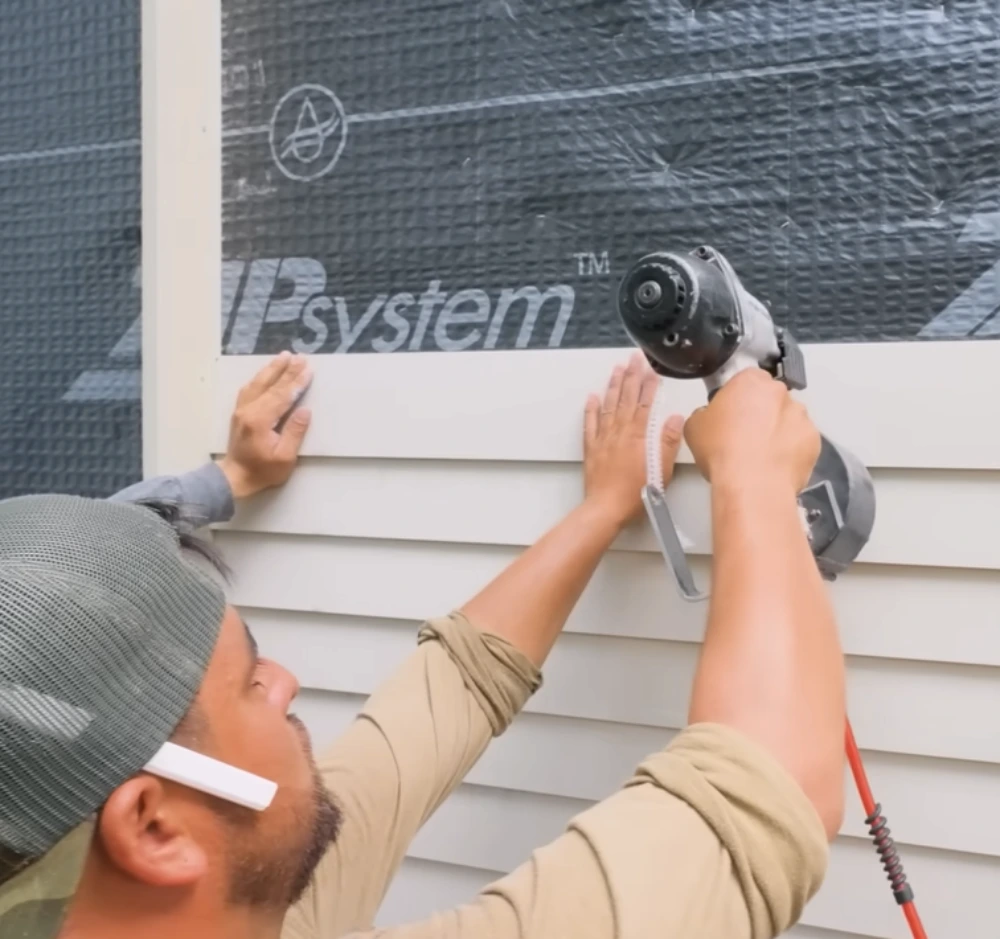
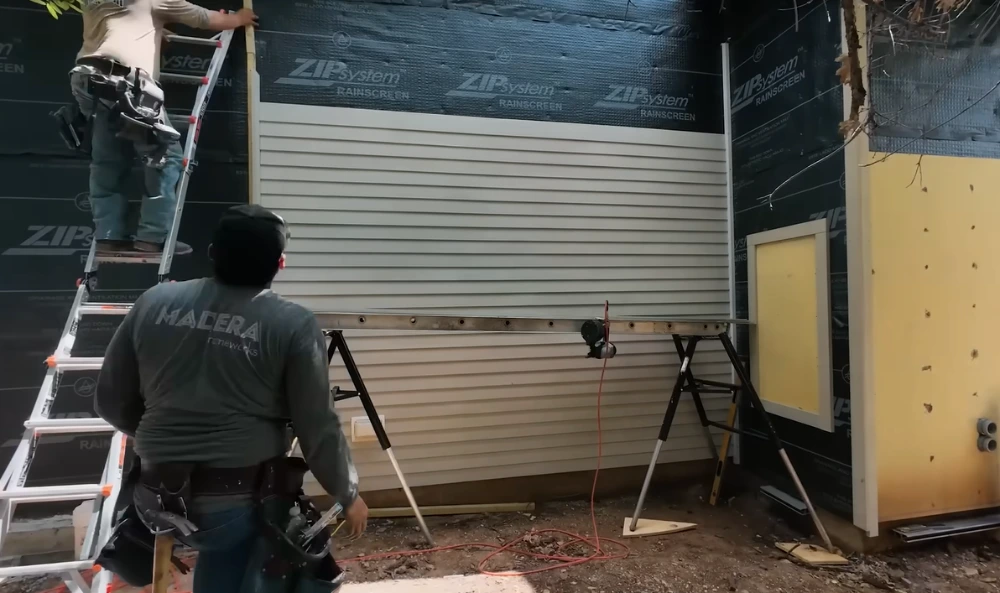
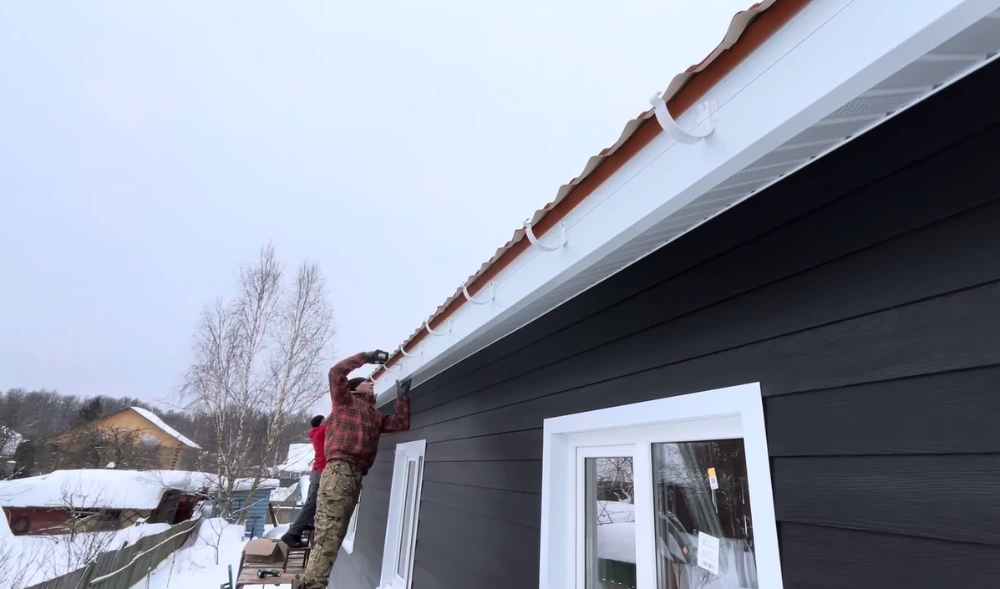
A representative look at installation, repair, and storm-damage work — from full re-sides down to single-board replacements.
How We Work — No Full-Reside Upsell, Ever
Every installation job follows the same five steps, whether it is a single-day repair or a multi-week full re-side.
Free Inspection
We walk the full exterior and document storm damage the way adjusters expect.
Written Estimate
Itemized quote before work starts — no vague lump-sum numbers.
HOA & Permits
We handle city permits and HOA architectural approval on every project.
Install to Spec
Correct clearances, blind-nailing, and flashed — never caulked — butt joints.
Final Walkthrough
We check every course with you before calling the job finished.
Vs. Typical Allen Siding Contractors
Not every siding contractor in Allen, TX operates the same way. This is what genuinely separates a repair-first, documentation-first approach from the more common full-reside-or-nothing model.
| Generalist Companies | Full-Reside-Only | Us | |
|---|---|---|---|
| Repair-only jobs accepted | Rarely | No | Yes, always |
| HOA & permit paperwork handled | Sometimes | Sometimes | Every project |
| Insurance-ready documentation | Varies | Varies | Photographed & dated |
| Written itemized estimate | Not always | Usually | Always |
| Deductible waivers offered | Red flag | Red flag | Never — illegal in TX |
How to Spot a Red Flag When Hiring in Allen
Wont give a written quote until inside your house
Pushes a full re-side before inspecting if repair would work
Offers to waive your insurance deductible (illegal in TX)
No proof of insurance when asked directly
Vague about which fiber cement brand or formulation they use
Fiber Cement Siding vs. Vinyl Siding: Which Is Better for Allen, TX?
This is the single most common question we get from homeowners comparing quotes, and the honest answer depends on how long you plan to stay in the home and how much weight you put on hail and heat resistance versus upfront cost.
For a market with median home values well above the national average, real hail exposure, and genuinely extreme summer heat, the material Allen, TX homeowners install generally justifies its higher upfront cost with durability that vinyl simply does not match in this climate.
What Actually Separates Us — Verifiable, Not Just Promised
Every homeowner comparing siding contractors should be able to verify these directly, not just take our word for them.
Insured & Bonded
Full liability coverage — ask for proof, we provide it without hesitation.
Repair-First, Not Reside-First
If 14 boards need replacing, we replace 14 boards — not the whole wall.
Written, Itemized Estimates
Know exactly what’s being done and what it costs — before work starts.
Manufacturer-Spec Verified
Correct clearances, nailing, and the right regional (HZ10) product for Texas.
HOA & Permit Handling
We manage architectural approval alongside your city permit.
Storm-Ready Documentation
Photographed, measured, and dated the way Allen-area adjusters expect.
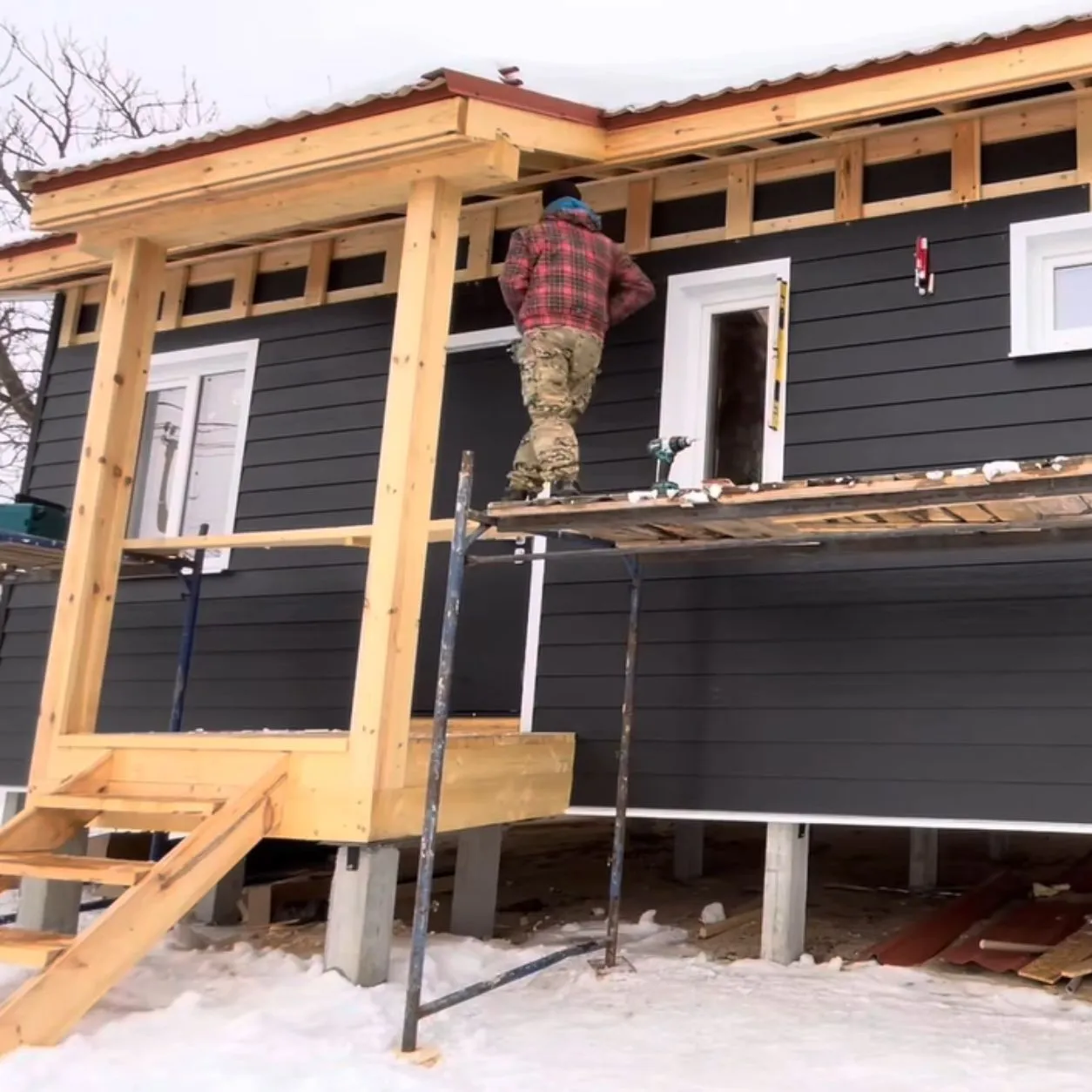
3 Documented Allen, TX Jobs
A closer look at how storm repair, full replacement, and new-construction projects in Allen, TX actually play out from inspection to final walkthrough.
Twin Creeks — 14 Panels Repaired
Hail damage concentrated on the south-facing wall. Repaired individually instead of a full re-side, with insurance documentation included.
Starcreek — Cracking Fixed at the Root
Prior installer face-nailed boards specified for blind-nailing. Reinstalled to full manufacturer spec.
Watters Creek Area — Custom Build
Full rain-screen detailing behind window trim and mounting blocks on a new custom home.
Real Feedback From Real Jobs
“They found damage after a hailstorm we hadn’t even noticed. Insurance approved everything because of how they documented it.”
“Our siding was falling apart less than a decade after it was installed. They explained exactly why and did it right the second time.”
“Clean, on schedule, and they handled our HOA paperwork so we didn’t have to.”
Not Generic Siding Questions — Allen-Specific Ones
“Our house is in Twin Creeks and the HOA rejected our first siding color choice. What now?”
This happens often enough to plan for upfront. Most Allen HOAs — Twin Creeks included — require Architectural Review Committee approval of both material and color, separate from any city permit. The usual next step is resubmitting with a color from the community approved palette, or requesting the specific reason for denial. We handle this submission as part of every full installation quote.
“Our insurance adjuster only approved partial repair. Is that normal?”
It happens, and it is worth a second look. Adjusters sometimes assess visible damage on one elevation without fully accounting for hidden cracking on other walls, or apply depreciation that does not reflect the actual repair scope. An independent, photographed inspection gives you documentation to request a supplement if damage extends further than approved.
“Our home was built in 2004 and we have never had the siding inspected. Should we be worried?”
Not worried, but it is genuinely due. Allen median home construction year is around 2003, which puts a 2004-built home right at the point where original siding, trim, and paint should get a real look. A routine inspection at this age typically catches caulking that has aged out or minor flashing gaps before they become moisture problems.
“One contractor’s quote was about half the others. What should that tell us?”
Ask what regional product formulation they are quoting — James Hardie Southern HZ10 is what should be specified for Texas, not the Northern HZ5 formulation — and ask them to walk through their nailing and clearance approach before signing anything. A price dramatically lower than competing quotes is often explained by a lower-spec product substitution or skipped flashing, and the failures those shortcuts cause typically do not show up until years later.
Frequently Asked Questions
The questions we hear most often from homeowners researching installation, repair, and cost before ever picking up the phone.
What is fiber cement siding made of?
Portland cement, sand, and cellulose fiber, cured into rigid boards or panels. Modern fiber cement is asbestos-free.
How much does it cost in Allen, TX?
Installed cost typically runs $7–$18 per square foot, with most full-home projects landing between $6,600 and $23,200. We provide exact pricing after an on-site inspection.
Can I install it myself?
Technically yes, but it requires a specialized saw blade, precise nailing depth, and strict clearance and flashing rules — many repair calls trace back to DIY mistakes.
How long does it last?
Typically 30–50 years with correct installation. Installation quality is the single biggest factor in lifespan.
Do I need HOA approval for siding work in Allen?
In most master-planned communities, yes — separate from any city permit. We handle this as part of every full installation project.
Serving Allen, TX and Surrounding Collin County
Local knowledge that shapes every estimate — not generic pricing pulled from a national average. Established, older-built pockets like Watters Crossing and Quail Run tend to need original-siding assessments, while growing families in Summerfield and greenbelt-adjacent homes in Suncreek bring their own siding challenges entirely. Larger, master-planned sections like Twin Creeks tend to have taller elevations and stricter HOA color approval, while homes in Montgomery Farm near the Watters Creek shopping district often prioritize curb appeal over a quick patch repair. On the other end of the spectrum, Star Creek‘s single-story patio homes usually only carry siding on a small gable or porch accent, while Ridgeview Crossing‘s sloped lots and multi-gable rooflines put more flashing points at risk during a hard rain.
Most master-planned communities require separate HOA architectural approval before siding work begins, not just a city permit.
A large share of the local housing stock is now old enough that original siding is due for a real inspection.
We track which neighborhoods took the worst of recent hailstorms, season to season.
When Siding Problems Happen — and What to Do Before They Do
Same climate pattern, every year. Here is what each season actually means for your siding.
Hail Season, Highest Risk
Allen sits in the North Texas hail corridor, with major storms in June 2025 and March 2026. Most calls: cracked or dented panels, finish loss on the storm-facing wall, damage not noticed until a routine look.
Do this: Get a post-storm inspection within days of any significant hail event, even without visible damage from the ground.
Peak Heat Stress
Sustained 95–100°F+ days test any material dimensional stability. This is when improperly installed vinyl visibly warps, and fiber cement without correct expansion gaps shows joint stress.
Do this: If your siding is original to a 2000s-era build, a heat-season inspection catches joint and caulk issues early.
Pre-Winter Prep Window
The best time to address repairs before cold weather and holiday scheduling make things harder to book. Most valuable: repainting, addressing deferred storm damage, sealing checks.
Do this: Book repaint and sealing work now, before winter moisture and holiday backlogs hit.
Occasional Freeze Risk
Texas freezes are infrequent but not impossible — North Texas has seen serious winter storm events in recent years. Cold snaps can stress caulking and joints that were already marginal.
Do this: Not peak season for repairs, but a good window for planning and quoting before spring hail returns.
Get Your Siding Inspected or Quoted
Storm damage, a full re-side, or just a professional look at aging siding — we’ll give you a straight answer.
Call (888) 507-26271003 State Hwy 121, Allen, TX 75013